
Critic Talks
Author Tricia Levenseller on dark themes, fast pacing, and writing the women she wanted to read

Fast pacing, sharp humor, and female-led narratives have come to define Tricia Levenseller’s young adult fantasy novels, offering readers an immersive escape into richly imagined worlds. In an exclusive interview with The Critic, Levenseller spoke about the ideas behind those stories and the choices that shape how she writes them.
In her work, Tricia Levenseller has become known for centering women in positions of power and choice, often with morally gray motivations. Her novels, including Daughter of the Pirate King and The Shadows Between Us, gained significant attention online, where readers gravitated towards protagonists who were unpredictable and far from perfect. The opening line of The Shadows Between Us captures that tone immediately: “They’ve never found the body of the first and only boy who broke my heart.” I mean, way to hook me in from the very beginning. From that very first sentence, I knew this was going to be a heroine different from what I was used to and an author I wanted to know more about.
Now a #1 New York Times and USA Today bestselling author, Levenseller's books have been translated into over twenty languages, reaching readers worldwide. I was fortunate enough to be able to speak to Levenseller over email about her work, her process, and her advice for young writers. Read this exclusive interview with The Critic below.

Image made with Canva
Image made with Canva
"Until the world is perfect, there are issues that need to be addressed. The one I'm constantly writing about is the way we treat women. I absolutely hate gender norms, and I'm striving to break them."
- Tricia Levenseller


Tricia Levenseller, American author known for her young adult fantasy novels, including the Daughter of the Pirate King duology and the Bladesmith series (photo courtesy of Tricia Levenseller).
Tricia Levenseller, American author known for her young adult fantasy novels, including the Daughter of the Pirate King duology and the Bladesmith series (photo courtesy of Tricia Levenseller).
The Classic Critic (Critic): Many of your novels feature strong, morally complex female protagonists. What draws you to writing characters like this?
Tricia Levenseller (TL): I was experiencing major fatigue constantly reading about self-sacrificing women who are perfect and self conscious. I didn't think these women were great role models for teens. Women aren't that way at all in my experience. I wanted to write about women who feel real, who are allowed to even be a little selfish in a society that demands we be invisible.
Critic: Your stories often balance darker themes with humor and fast pacing. How do you approach maintaining that balance?
TL: I get bored easily. If I'm not keeping up the pacing or throwing in some humor to amuse myself, then I'm not having a fun time writing. I'm not necessarily striving for a balance so much as writing for me and what I find fun—I'm relieved this works for my readers as well. As for writing about dark topics, I find that extremely important. Until the world is perfect, there are issues that need to be addressed. The one I'm constantly writing about is the way we treat women. I absolutely hate gender norms, and I'm striving to break them.
Critic: Is there anything you hope readers take away from your books once they finish them?
TL: You are enough just as you are. Don't let anyone tell you otherwise.
Critic: When writing your novels, did you always have the ending in mind, or did it evolve as the story developed?
TL: I rarely have my endings in mind. They are often a surprise. Or even if I do have an idea when I start, it regularly changes by the time I get to the end. The characters are always doing things I don't expect. It keeps things interesting.
Critic: Where would you say you most often draw inspiration from for your stories and characters?
TL: I'm inspired by other media: books, movies, TV shows, video games, etc. All forms of storytelling are deeply inspiring to me. For example, my book Daughter of the Pirate King came from my love of Pirates of the Caribbean. The movie's major flaw is that it doesn't have enough female characters. I set out to change that.

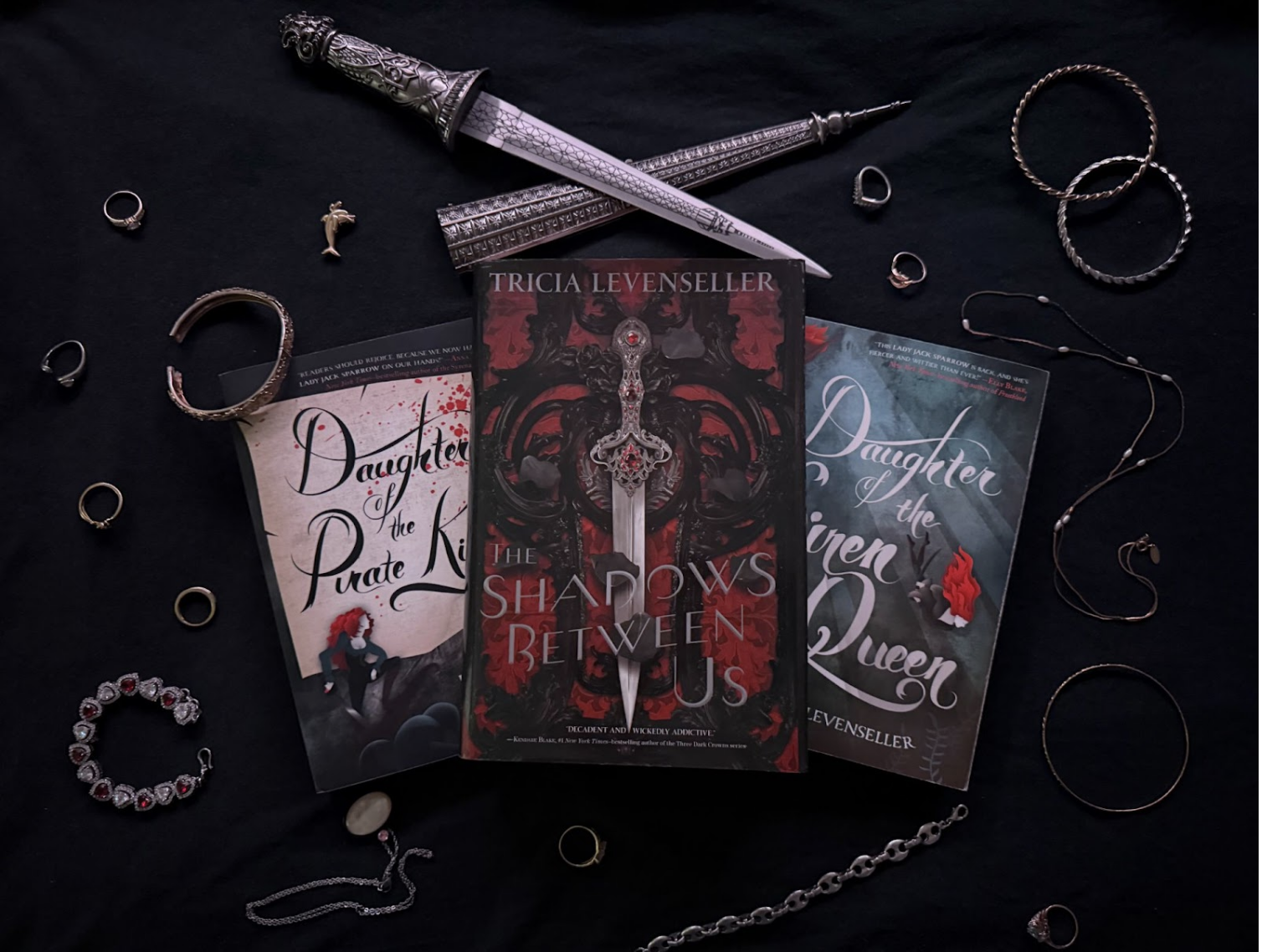
Photo of Levenseller's bestsellers by Nicole Harvan.
Photo of Levenseller's bestsellers by Nicole Harvan.
"I wanted to write about women who feel real, who are allowed to even be a little selfish in a society that demands we be invisible."
- Tricia Levenseller

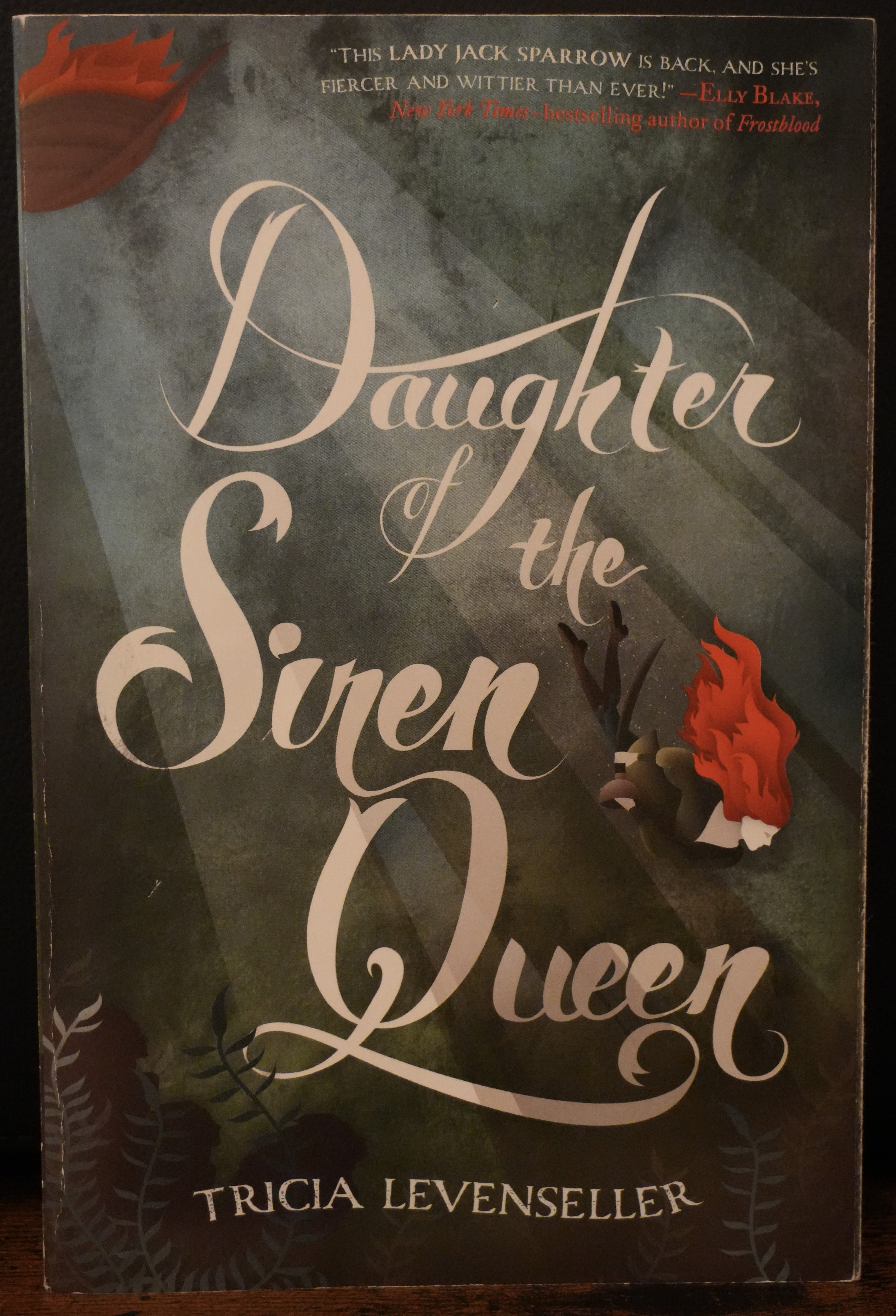
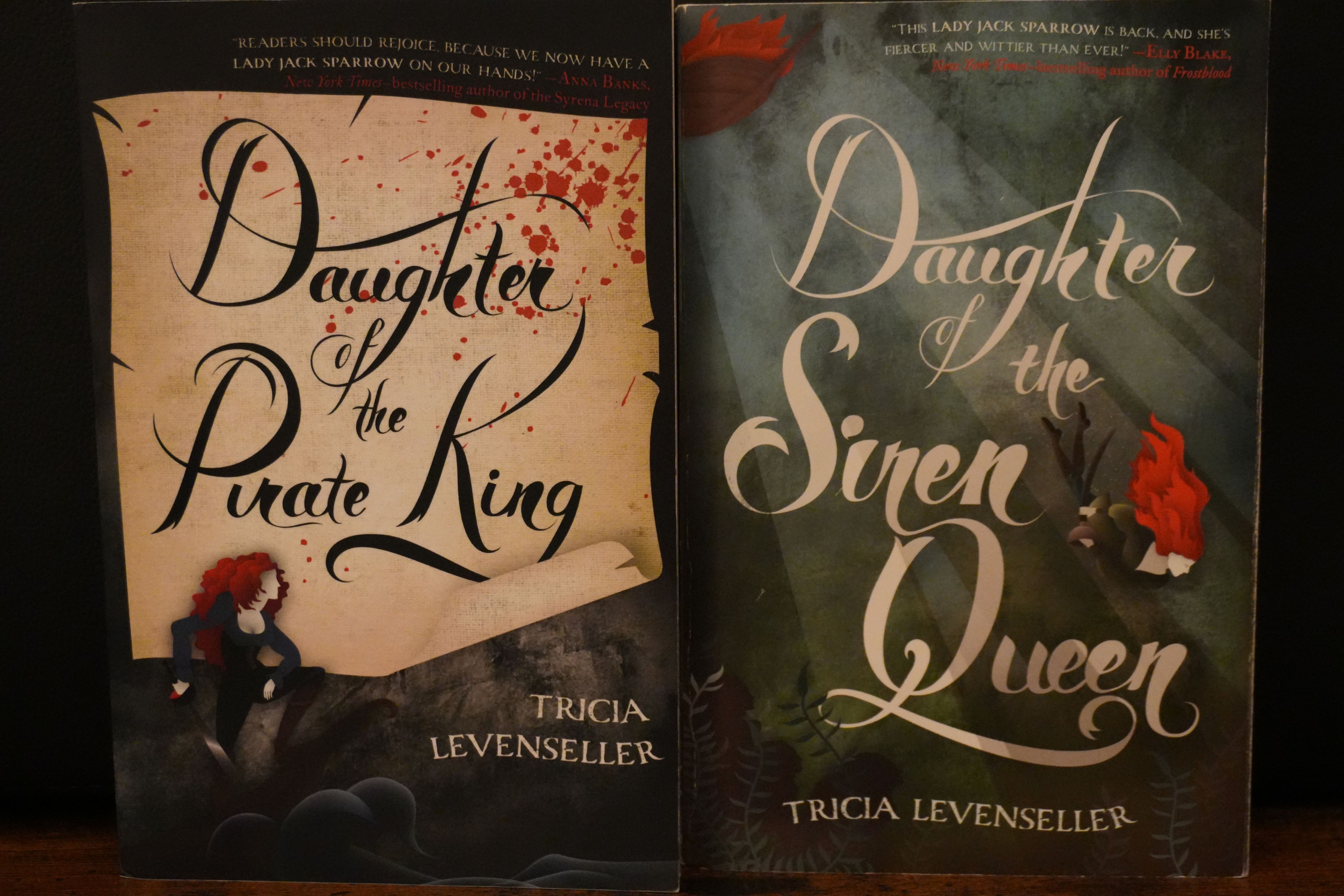
Published in 2018, Daughter of the Siren Queen is the conclusion to Tricia Levenseller’s pirate duology. This YA fantasy links pirate lore to siren mythology. Photo of the novel by Nicole Harvan.
Published in 2018, Daughter of the Siren Queen is the conclusion to Tricia Levenseller’s pirate duology. This YA fantasy links pirate lore to siren mythology. Photo of the novel by Nicole Harvan.
Critic: How much of your writing process is planned versus discovered as you go?
TL: It depends on the project. I usually have major scenes planned and then like to discover the connections between them.
Critic: How did you make the transition from being a reader to writing your own stories?
TL: Accidentally. I thought I was going to be an editor when I grew up. For a school project, I needed material to edit. Since there weren't any rough, newly written words just lying around, I decided I would write the words and then edit them myself. I ended up discovering that I loved writing and editing my own stuff.
Critic: What’s one habit or practice you think helped you grow most as a writer?
TL: The best thing I ever did was set goals for myself. When I decided I was going to finish my first book, I said I would write 1,000 words every weekday until the project was done. That's how I finally completed my first novel, start to finish. Breaking things down into smaller pieces is the only way I know how to get things done.
Critic: What advice would you give to young writers who are interested in writing fantasy but don’t know where to start?
TL: Start with what excites you. Is it dragons? A cool magic system? Or a faraway world? Whatever it is, it doesn't matter how strange or awkward it feels to put words on the page for the first time. Do it. Remember books are made up of scenes. Start with a single scene, learn who your characters are, and don't forget to throw in all the elements that you love.
critic.thhsclassic.com
The Classic Critic is an open forum for the expression of student views.
The opinions expressed therein should not be taken to represent those
of the administration or faculty, or of the student body as a whole.
 Built with Shorthand