
Critic Talks
Author Rhea Rainwater talks taking on big themes and the feeling that comes with writing "the end"

Born and raised in the Pacific Northwest, Rhea Rainwater is an emerging author in gothic romantasy. Her debut novel, The Magnificence of Death, is a lyrical and emotionally haunting story that blends gothic fantasy with themes of immortality, grief, and love.
A romantasy centered more on its characters and ideas than on action, the novel follows two characters: Astoria Tempest, a woman cursed with immortality and the power to bring back the dead, and Death himself, a being who has spent an eternity resenting humanity only to slowly find himself drawn to it. At its core, it’s a story about grief and guilt.
Beneath the fantasy, the book asks some deeply human questions about loss, change, and whether beauty can exist alongside pain. It is melancholic without being hopeless. This is not a fast-paced, plot-driven read — and that is entirely the point. The Magnificence of Death is the kind of book that asks you to slow down and sit with it.
As a reader, I found the novel to be one of those rare books that manages to be both thoughtful and deeply enjoyable. The philosophical undertones never feel pretentious or difficult to follow and naturally weaving into the story. The worldbuilding is light and simple to understand, keeping the focus on the characters. Rainwater makes use of a non-linear timeline, jumping between time periods in a way that adds intrigue rather than confusion. Most importantly, it still delivers everything I want from a romantasy: compelling characters, emotional tension, and a love that makes my heart beat faster. For romantasy readers looking for something with a little more substance, The Magnificence of Death delivers.
In this exclusive interview with The Critic, Rainwater discusses her writing journey and the inspirations behind her work.

Image made with Canva
Image made with Canva
"I’m drawn to complex characters, and I think many readers believe they love complexity, until a character makes a choice they don’t agree with. ...I wanted to explore situations that are genuinely hard.."
- Author Rhea Rainwater


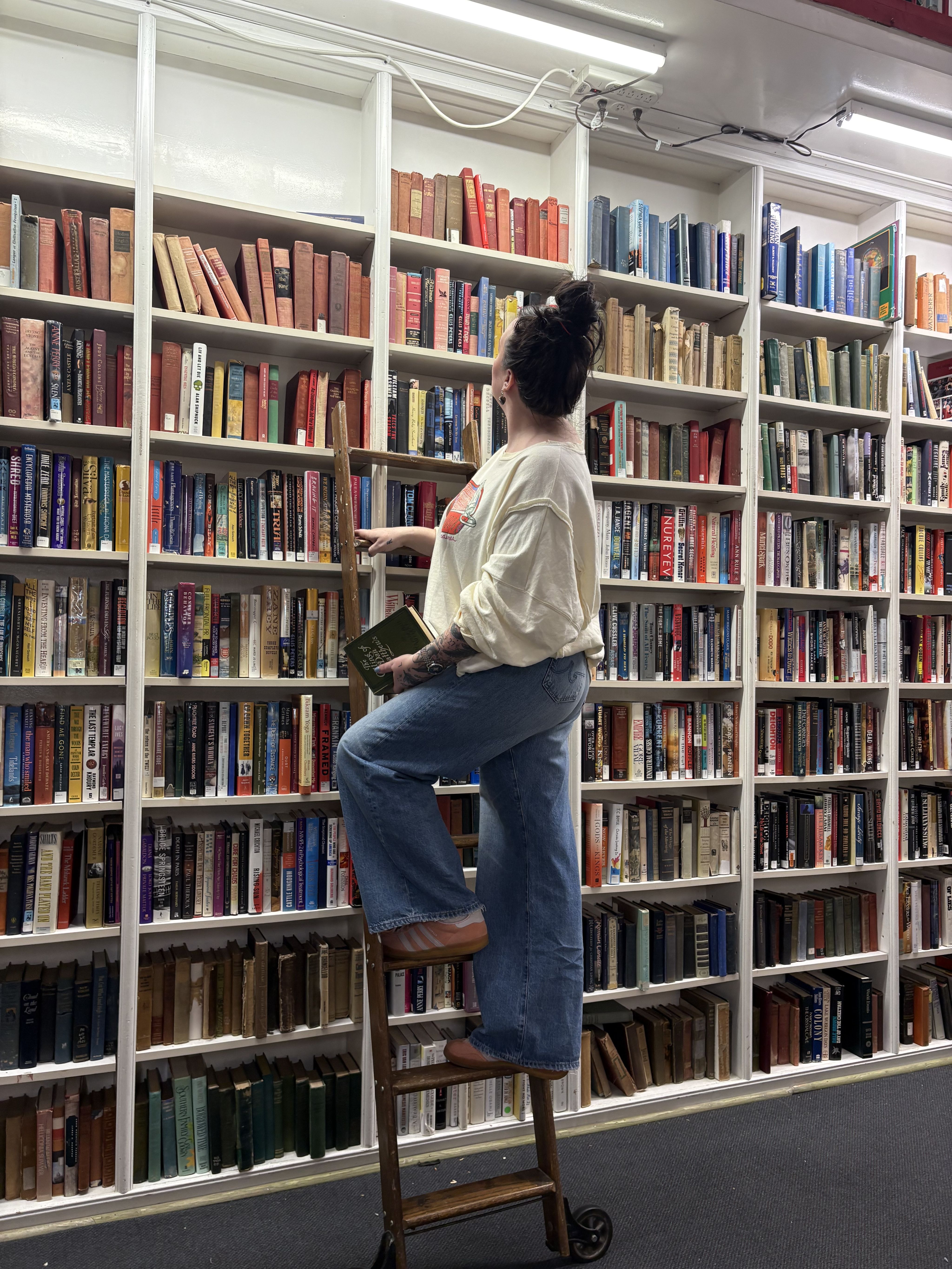
Rhea Rainwater, American author known for her novel The Magnificence of Death (photo courtesy of Rhea Rainwater).
Rhea Rainwater, American author known for her novel The Magnificence of Death (photo courtesy of Rhea Rainwater).
The Classic Critic (Critic): The Magnificence of Death presents death as something almost gentle, rather than purely frightening. What inspired you to portray death this way?
Rhea Rainwater (RR): I wrote The Magnificence of Death during a time when I was grappling with death personally. It’s such a taboo subject, but I kept coming back to the idea that time is the true thief, not death. Time is what we’re given, and how we spend it is where meaning lives. Death is inevitable; it’s the one part of creation we can’t change, and that’s why we fear it so deeply. But I think there’s beauty in that inevitability. When I imagine the end of my life, I imagine memories. I think of the people I loved, the moments of uncontrollable laughter, the joy that left its mark on me. I imagine touching my smile lines and remembering exactly what etched them there. When I sat with the book and the idea of it, I wondered if death could be something gentler. Something quieter. And I believe that if you’ve lived a life you’re proud of, a life shaped by love and memory, then death doesn’t have to be cruel. It can be a closing, not a theft.
Critic: What do you hope readers sit with or reconsider after finishing the book?
RR: I hope that by the end of the book, readers come away with a renewed appreciation for the time they’ve been given. Life is vast and beautiful and tumultuous. It’s imperfect and messy, but it’s yours. And within that time, you have the freedom to make something meaningful of it. I also hope it can bring closure to chapters you might find yourself stuck in.
Critic: Did writing this novel change the way you personally think about death or morality?
RR: Writing the novel did soften the way I think about death, but it changed my view of morality even more. I’m drawn to complex characters, and I think many readers believe they love complexity, until a character makes a choice they don’t agree with. With Astoria, and even with Death, I wanted to explore situations that are genuinely hard. Ones that push even good people into decisions they may later regret. Grief and stress can turn us into versions of ourselves we don’t recognize, and this story has stretched me in my belief that those moments don’t define who we are at our core.
Critic: Did you always have this ending in mind, and what decisions went into writing an ending that doesn’t rely on a large resolution or final moment?
RR: Yes, I wrote the prologue and the ending first, and built the story around those two points. From the beginning, I knew the ending needed to reflect how I wanted to portray death. I didn’t want a grand spectacle or a single explosive moment; I wanted it to be quiet and gentle, but still triumphant in its own way. Getting the story there wasn’t easy, and it wasn’t without tears. Some of the choices required real emotional sacrifice, but I felt strongly about honoring the ending I had envisioned. The overarching theme of the book mattered more to me than a traditional resolution, and the ending needed to echo that.
Critic: Where would you say you often draw inspiration from?
RR: Music and art are my primary sources of inspiration. I make a conscious effort to surround myself with creativity every day, across as many mediums as possible. Immersion keeps my imagination open and constantly in motion.

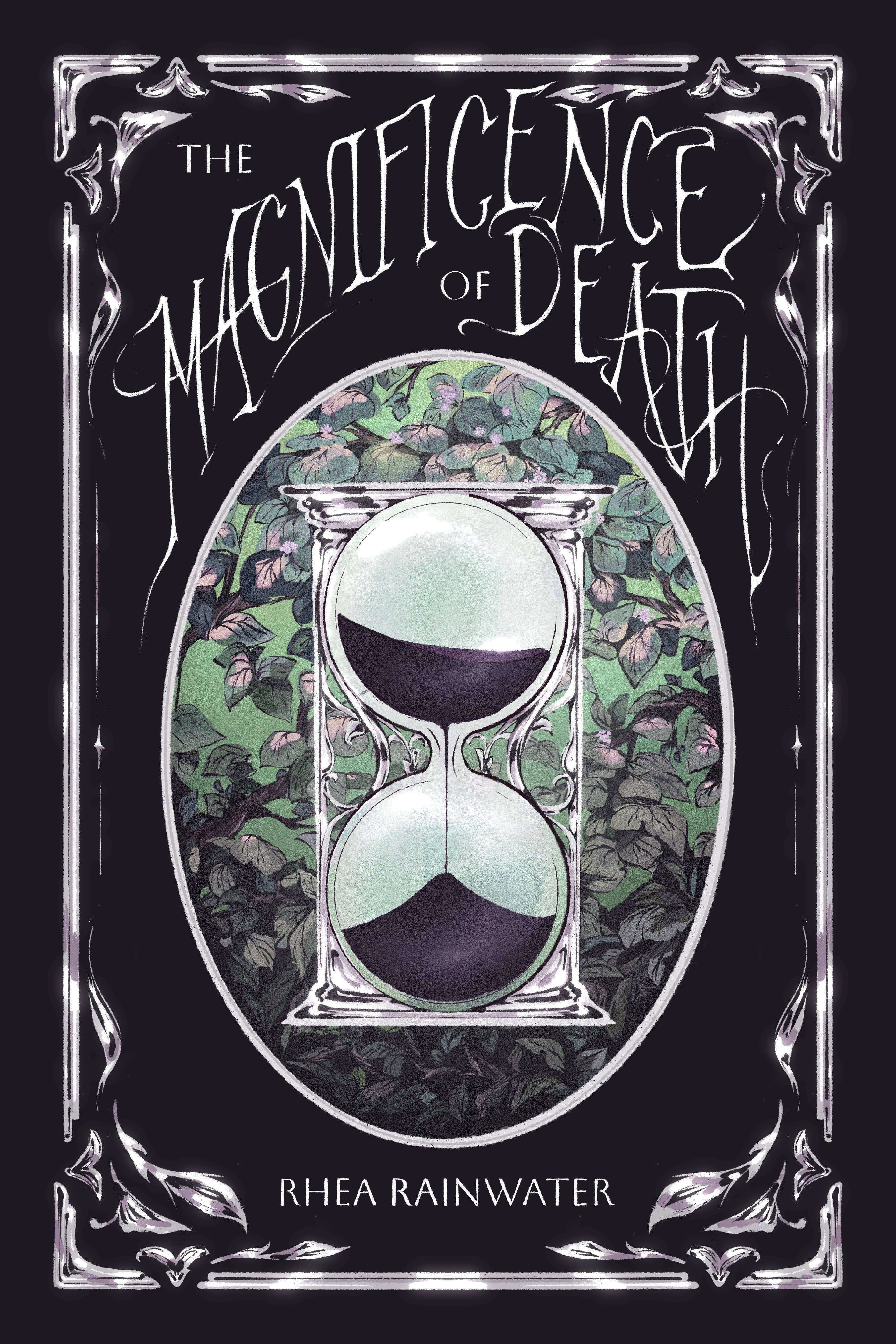
The cover of "The Magnificence of Death" (Image courtesy of Rhea Rainwater)
The cover of "The Magnificence of Death" (Image courtesy of Rhea Rainwater)
"Don’t let anyone tell you that you’re too young or too inexperienced to explore big themes. Curiosity and empathy matter more than age. We need more writers willing to take emotional and creative risks.."
- Author Rhea Rainwater

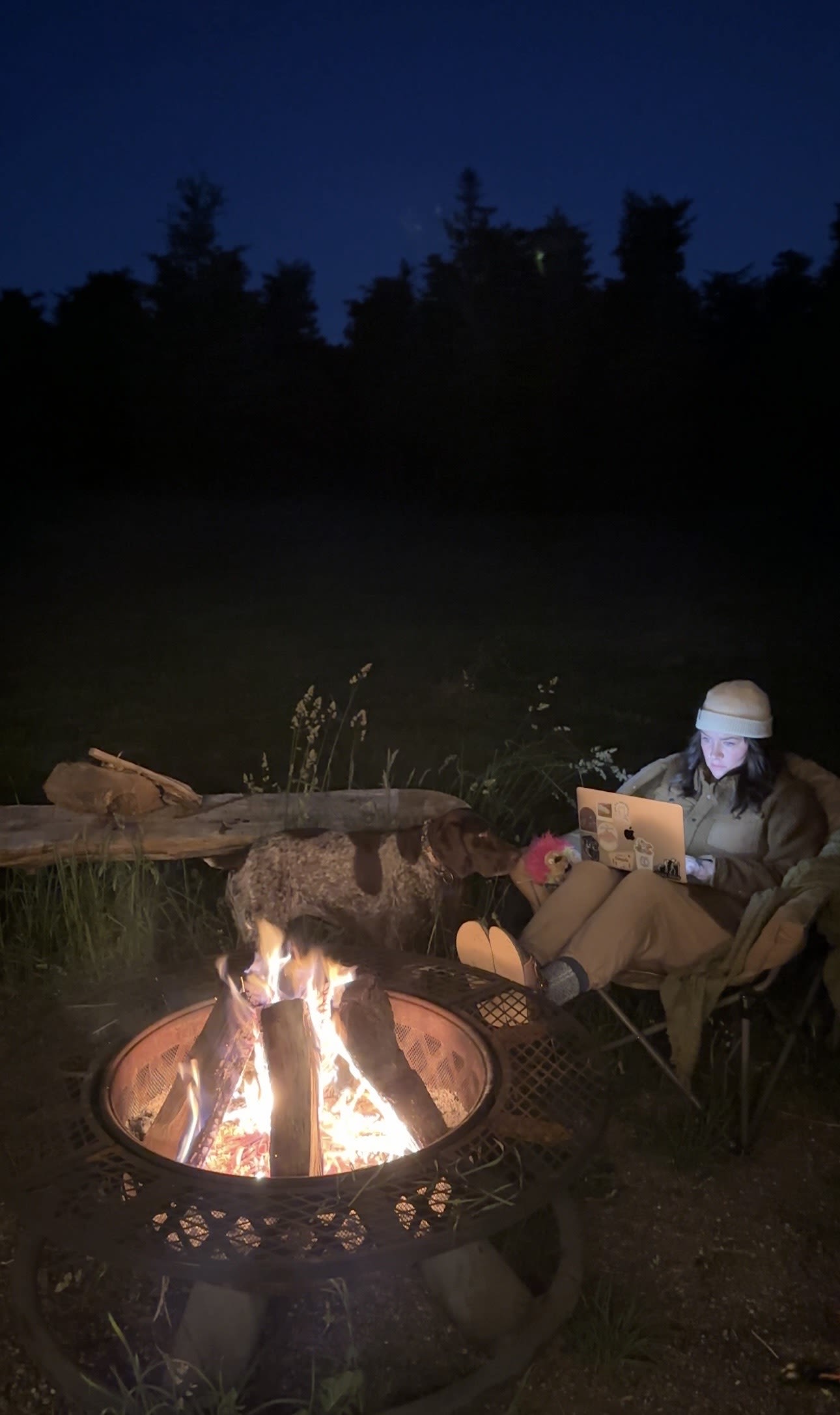
Rhea Rainwater, American author known for her novel The Magnificence of Death, at work in front of a fire pit (photo courtesy of Rhea Rainwater).
Rhea Rainwater, American author known for her novel The Magnificence of Death, at work in front of a fire pit (photo courtesy of Rhea Rainwater).
Critic: How much of your writing process is planned versus discovered as you go?
RR: My ideas are discovered, they come to me strangely and randomly. Sometimes sparked by random conversations or recurring themes I can't shake. My process for plotting and drafting and taking a book to the finish line is very much planned. I began writing as a pantser and quickly found myself to be a plotter, but so much changes while drafting because I try to remain open to where the story needs to go.
Critic: How did you make the transition from being a reader to writing your own stories?
RR: I’ve been a lifelong reader. I’ve loved books since I was a little girl. As a teenager, I wrote circle stories with my friends, but for a long time, writing a book felt like an out-of-reach bucket list item. It was something I wanted, but it also felt daunting and almost unreal. When I finally set out to write my first book, it wasn’t with the expectation that it would become anything public, it was more about proving to myself that I was capable. Writing a book is hard. It’s time-consuming, filled with doubt, and requires a lot of persistence. But the feeling of writing “the end” is unlike anything else. It makes every difficult moment worth it. And that feeling is utterly addicting. You write one, you get an idea for another, and you continue. It's a lot like reading in that way.
Critic: What advice would you give to young writers who want to tackle heavy or abstract themes like death and morality?
RR: Do your research, and talk to people. So much of The Magnificence of Death came from conversations with strangers and from gathering wisdom outside of myself. Listening to different perspectives, experiences, and beliefs was just as important as writing. And don’t let anyone tell you that you’re too young or too inexperienced to explore big themes. Curiosity and empathy matter more than age. We need more writers willing to take emotional and creative risks.
Critic: What’s one habit or practice you think helped you grow most as a writer?
RR: I have a few habits I swear by. One practice that really helped me grow my dialogue is typing out conversations while I watch shows or movies. It’s a mental exercise more than anything, but it’s trained my ear for rhythm, pacing, and subtext in a way that really stuck. I also keep a journal with me at all times. I’m constantly taking notes, sometimes it’s just a single word, sometimes it’s an idea, sometimes it’s a paragraph I want to use someday. It’s a way of staying creatively open and gathering inspiration throughout the day, rather than waiting for it to appear when I sit down to write.
Critic: What’s something about the writing process that you think is often misunderstood?
RR: That it has to be perfect or look a certain way. Writing is vulnerable and unique to each person and that’s what makes it beautiful and exciting. There is no right or wrong way to do it.
Critic: Have you ever experienced writer’s block when working on a project? If so, do you have any advice for other writers on how to deal with it?
RR: All the time. My favorite trick is to end my sessions in the middle of a scene. I find that when I leave something unfinished, I can pick up where I left off quickly. If I didn’t leave something unfinished I start in the middle. I begin in the middle of an action or the middle of a scene and work my way forward or back, but I can usually find my way.
critic.thhsclassic.com
The Classic Critic is an open forum for the expression of student views.
The opinions expressed therein should not be taken to represent those
of the administration or faculty, or of the student body as a whole.
 Built with Shorthand